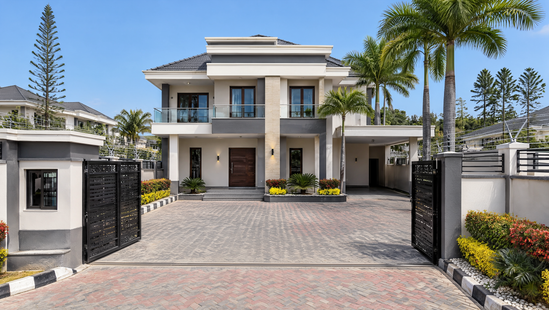
For years, you have imagined what it would feel like to own a home back home.
Perhaps you picture a house where your parents can live comfortably. Maybe you want somewhere to return to during holidays, a property you can eventually retire in, or an investment that generates rental income while you build your life abroad.
You have worked hard, made sacrifices, saved consistently and finally feel ready to take that step.
Then reality sets in.
You are thousands of miles away. The property looks beautiful in the pictures. The agent sounds convincing. Someone back home says the location is developing quickly, and the payment terms seem attractive.
But how do you know the property genuinely belongs to the person selling it? What happens if the documents are not in order? Who will inspect the building? And if you eventually make the purchase, who will look after it when you are not around?
These are not reasons to abandon your plans. They are reasons to approach them carefully.
For many Africans living abroad, buying property back home is about more than acquiring land or a building. It represents security, belonging, financial growth and the possibility of creating something lasting in a place they still call home.
However, buying property in Africa from abroad requires more than money and good intentions. It requires information, proper verification and people you can trust.
Before committing your hard-earned money, here are five important things to consider.
1. Verify the Property’s Ownership and Legal Documents
Imagine finding what appears to be the perfect property. The location is attractive, the price fits your budget and the seller has sent you photographs of documents that look official.
You feel comfortable enough to make an initial payment.
A few months later, you discover that the person who sold you the property may not have had the legal authority to do so.
Unfortunately, property fraud and disputes over ownership are risks buyers must take seriously. Being outside the country can make it more difficult to identify problems before money changes hands.
A property can look legitimate and still have unresolved ownership issues. An attractive offer does not automatically mean the seller has the right to sell it.
Before making any payment, ensure that the property’s ownership and legal status have been independently verified.
Depending on the country and location, relevant documents may include:
- Certificate of Occupancy (C of O), where applicable.
- Registered title deeds or land ownership documents.
- Deed of Assignment.
- Survey plans and land registration records.
- Relevant planning and building approvals.
You should also establish whether the property is subject to existing disputes, outstanding mortgages, government acquisition issues or competing ownership claims.
What should you do?
Engage an independent property lawyer who understands the laws of the country where the property is located. Have the lawyer conduct the necessary searches with the relevant land registry and verify the seller’s ownership and authority to sell.
Do not rely exclusively on documents provided by the seller, an agent’s assurances or recommendations from acquaintances.
Your money represents years of hard work. It deserves more than a verbal promise.
2. Research the Developer, Seller and Real Estate Agent
When you live abroad, you often depend on other people to help you navigate the property market back home.
An agent may arrange inspections, send property videos, negotiate prices and provide updates. A developer may promise to deliver a beautiful residential estate within a specified period.
These relationships can be helpful, but they also introduce an important question: Do you really know the people handling your investment?
A familiar name, an impressive social media presence or a recommendation from a friend should not be the only basis for trusting someone with your money.
Before working with a developer, seller or real estate agent, investigate their credibility.
Consider asking:
- How long have they been operating in the real estate market?
- Do they have a verifiable business address?
- Have they successfully completed previous projects?
- Can they provide references from previous buyers?
- Are they registered or licensed where required?
- Are they legally authorised to sell or represent the property?
Where possible, speak directly with previous clients. Visit completed projects and independently verify the information you receive.
Be particularly cautious when someone pressures you to make immediate payments, promises unusually high returns or discourages you from seeking independent legal advice.
What should you do?
Conduct background checks on everyone involved in the transaction. Verify their professional history, business identity and authority to represent the property.
A trustworthy professional should be willing to answer reasonable questions and provide the information you need to make an informed decision.
Remember, the goal is not simply to find someone who can help you buy property. It is to find people whose credibility can withstand proper scrutiny.
3. Understand the Total Cost of Buying the Property
One of the easiest mistakes to make when buying property is focusing only on the advertised price.
You may find a property within your budget and immediately begin planning how to make the payment. But the purchase price is rarely the only expense you need to consider.
There are other costs that can significantly increase your financial commitment.
Depending on the country, location and type of property, these may include:
- Legal and professional fees.
- Property registration and documentation fees.
- Stamp duties and applicable taxes.
- Survey and valuation fees.
- Agency or commission fees.
- Renovation and furnishing expenses.
- Property management and maintenance costs.
There is also the issue of currency exchange.
If you earn in pounds, dollars or euros but are purchasing property in a local currency, changes in exchange rates can affect how much you eventually spend. International transfer charges may also add to the cost.
For example, a property that appears affordable at the beginning may become significantly more expensive once documentation, legal fees, taxes, renovations and other expenses are included.
This is why a realistic budget matters.
What should you do?
Ask for a comprehensive breakdown of every expected cost before committing to the purchase.
Understand what is included in the advertised price, what is excluded and which expenses you will need to pay separately. Also, set aside funds for unexpected costs and ongoing property maintenance.
Do not stretch your finances simply because you are eager to own property back home.
A good investment should support your financial goals, not create unnecessary financial pressure.
4. Inspect the Property and Its Location Before Making Payment
A property can look perfect on your phone and tell a completely different story when you arrive at the location.
The photographs may show a beautiful building, well-finished interiors and an attractive estate. But they may not reveal the condition of the access road, drainage problems, unreliable electricity, security concerns or the state of neighbouring properties.
This is one of the challenges of buying property in Africa from abroad. You are often making an important decision about a physical asset without being physically present to assess it.
And that can be risky.
Beyond the building itself, the surrounding environment matters.
Before purchasing, consider:
Accessibility: Are the roads accessible throughout the year? What are the traffic conditions and transport options?
Essential services: Is there reliable access to electricity, water, drainage and other basic infrastructure?
Security: What is the security situation in the neighbourhood? Are there adequate arrangements within the estate or community?
Proximity: How close is the property to hospitals, schools, shopping centres and other important facilities?
Environmental conditions: Is the area prone to flooding or other environmental risks?
Future development: Are there planned infrastructure projects or developments that could affect the property’s long-term appeal?
If you cannot travel to inspect the property yourself, arrange for an independent professional to visit the location and assess its condition.
Request recent photographs, videos and a detailed inspection report. Make sure the inspection is conducted by someone whose independence and qualifications you can establish.
Do not allow beautiful pictures or persuasive sales presentations to replace physical verification.
The property you are buying is not just what appears in the brochure. It is also the neighbourhood, infrastructure and environment you are committing your money to.
5. Have a Plan for Managing the Property After Purchase
For many people living abroad, the excitement of buying property is centred on the day the transaction is completed.
But what happens the following week? Six months later? Or when you have not visited home for two years?
Buying property is one part of the journey. Maintaining and managing it is another.
If you do not intend to move back immediately, you need to establish who will oversee the property in your absence.
An unattended building can deteriorate over time. Maintenance issues may go unnoticed, unauthorised occupants may gain access, and small problems can become expensive repairs.
If your intention is to generate rental income, you also need a plan for finding tenants, collecting rent, handling repairs and monitoring expenses.
Before completing your purchase, ask yourself:
- Who will oversee the property when I am away?
- How will maintenance and repairs be handled?
- Do I need a professional property management company?
- How will I monitor rental income and expenses?
- Who will have access to the property?
- What arrangements will protect it against unauthorised use?
What should you do?
Establish a property management arrangement before completing the purchase.
If you engage a property manager or representative, clearly document their responsibilities, agree on reporting procedures and ensure that financial transactions are properly recorded.
Request regular updates about the property’s condition and management. Where possible, maintain records of maintenance work, payments and other important activities.
Owning property should give you peace of mind, not become another source of uncertainty.
Buying Property Back Home Should Be an Informed Decision, Not a Leap of Faith
There is something deeply meaningful about owning a piece of home.
It could be the house where your children will spend their holidays, a comfortable place for your parents, an investment that provides additional income or a property you hope to return to someday.
Whatever your reason, the decision deserves careful consideration.
Living abroad should not mean you have to abandon your ambitions back home. But neither should your desire to invest make you overlook the risks involved.
Take the time to verify ownership, investigate the people involved, understand the full financial commitment, inspect the property and establish a proper management plan.
Most importantly, remember that being far away does not remove your responsibility to make informed decisions.
You do not have to make the journey alone. You need access to the right information, credible connections and professionals who understand the market.
How ADC and DiasporaHub Help You Stay Connected to Property Opportunities Back Home
At Africa Diaspora Corporation (ADC), we recognise that the relationship between Africans abroad and their home countries goes beyond family ties and occasional visits.
Many members of the diaspora want to invest, acquire assets, build businesses and contribute to opportunities across Africa. But finding the right information, connections and services from another country can sometimes make that journey difficult.
This is why DiasporaHub exists.
DiasporaHub is designed to connect Africans in the diaspora to opportunities and services back home, including property and real estate opportunities.
Rather than navigating everything in isolation, you can use the platform to explore available services and connect with opportunities that align with your interests.
Whether you are considering your first property purchase, exploring real estate opportunities or looking for ways to strengthen your connection with home, DiasporaHub provides a starting point for making those connections.
Of course, every property transaction still requires independent legal verification, proper inspection and careful financial consideration. The right connections should complement your due diligence, not replace it.
Your dream of owning property back home deserves the right support.
Explore DiasporaHub today and take a more informed step towards discovering property and real estate opportunities across Africa.
Visit the DiasporaHub platform and stay connected to opportunities back home.